Your driveway is one of the first things people notice about your property. It's a functional necessity and a major contributor to your home's curb appeal. Unprotected concrete is susceptible to visible wear from vehicles, weather, and time — water and heat cycles work on the surface over years.
Property owners often face a decision when planning driveway maintenance: should they seal the concrete or apply a specialized coating? These two terms are frequently used interchangeably, yet they represent different approaches to concrete care. Choosing the wrong method for the situation can mean spending money more often than necessary.
Understanding the differences between the two is the key to a driveway that keeps looking good. This guide walks through how sealing and coating are different, the long-term cost implications of each, and how the two approaches compare in real-world use.
Key Takeaways
- Sealing is temporary: Traditional sealers sit on the surface and wear away, requiring reapplication every one to three years.
- Coatings sit differently: Polyurea + polyaspartic coating systems chemically bond with the concrete for a much longer install cycle.
- Long-term math often favors coating: Coatings have a higher upfront cost, but the reapplication cycle of sealers can add up over the years.
Understanding the Basics of Driveway Maintenance
To make an informed decision, it helps to understand how sealing and coating actually interact with concrete. Concrete is inherently porous — it absorbs moisture, oil, and chemicals easily. Unprotected concrete in the Phoenix sun shows the effects of intense UV, hot tire contact, and monsoon rain over years.
What is Driveway Sealing?
Driveway sealing involves applying a liquid product — typically acrylic, silane-siloxane, or a water-based solvent — over the top of the concrete. The primary goal of a sealer is a temporary barrier that helps repel water and prevent mild stains.
Sealants are thin. Some penetrate the top layer of the porous concrete, while others form a film on the surface. They offer basic protection but wear down under the friction of car tires, foot traffic, and Arizona sun. Homeowners who choose this route commit to a strict maintenance schedule — often stripping and resealing every few years to keep any level of coverage.
What is Driveway Coating?
Driveway coating is a different process using more advanced materials. Instead of applying a thin barrier, a coating involves preparing the concrete surface and applying high-performance polymers such as polyurea and polyaspartic.
These materials chemically bond with the concrete matrix, becoming part of the slab. The resulting layer is significantly thicker than a standard sealer. Coatings are engineered for the physical demands of heavy vehicles and daily traffic. When you hire a professional to install one, you're paying for a much longer install cycle than a sealer offers.
The Downsides of Traditional Driveway Sealing
Many homeowners default to sealing because it's familiar and low-cost upfront. The real cost of sealing shows up after a few years.
Frequent Reapplication
The most significant drawback of driveway sealers is their short install cycle. Acrylic and water-based sealers degrade under direct sunlight and repeated temperature swings. Tires turn on the surface, grinding down the film. Within a year or two, the coverage is thin.
To keep the driveway covered, you reapply the sealant. This isn't as simple as painting on a new layer. Old, flaking sealer often needs to be chemically stripped or mechanically ground away before a new coat can bond properly. This cycle can drain time and money over the years.
Limited Coverage Over Chemicals and Weather
Sealants offer limited coverage against the harsher stuff your driveway encounters. Motor oil, transmission fluid, and antifreeze can work through a basic sealer, leaving stains on the concrete below.
Over years, the film gets thin enough that water finds paths into the concrete pores. Repeated wet-and-dry cycles, and Phoenix's monsoon-season temperature swings, drive normal concrete wear over time.
Why Coating Your Driveway Is Often the Better Choice
For property owners who want a great-looking driveway with a longer install cycle, concrete coatings are typically the better fit.
Longer Install Cycle
Polyurea and polyaspartic coatings cure to form a much thicker layer than sealers. They're flexible enough to expand and contract with the concrete during temperature shifts. The chemical bond also means the coating stays put — no lifting from hot tire contact the way inferior sealers can.
Aesthetic Customization
Standard concrete is visually uninspiring. Sealers might add a slight gloss or a darker tint, but they do little to change the look of the property. Coatings provide an opportunity to transform the appearance of your driveway.
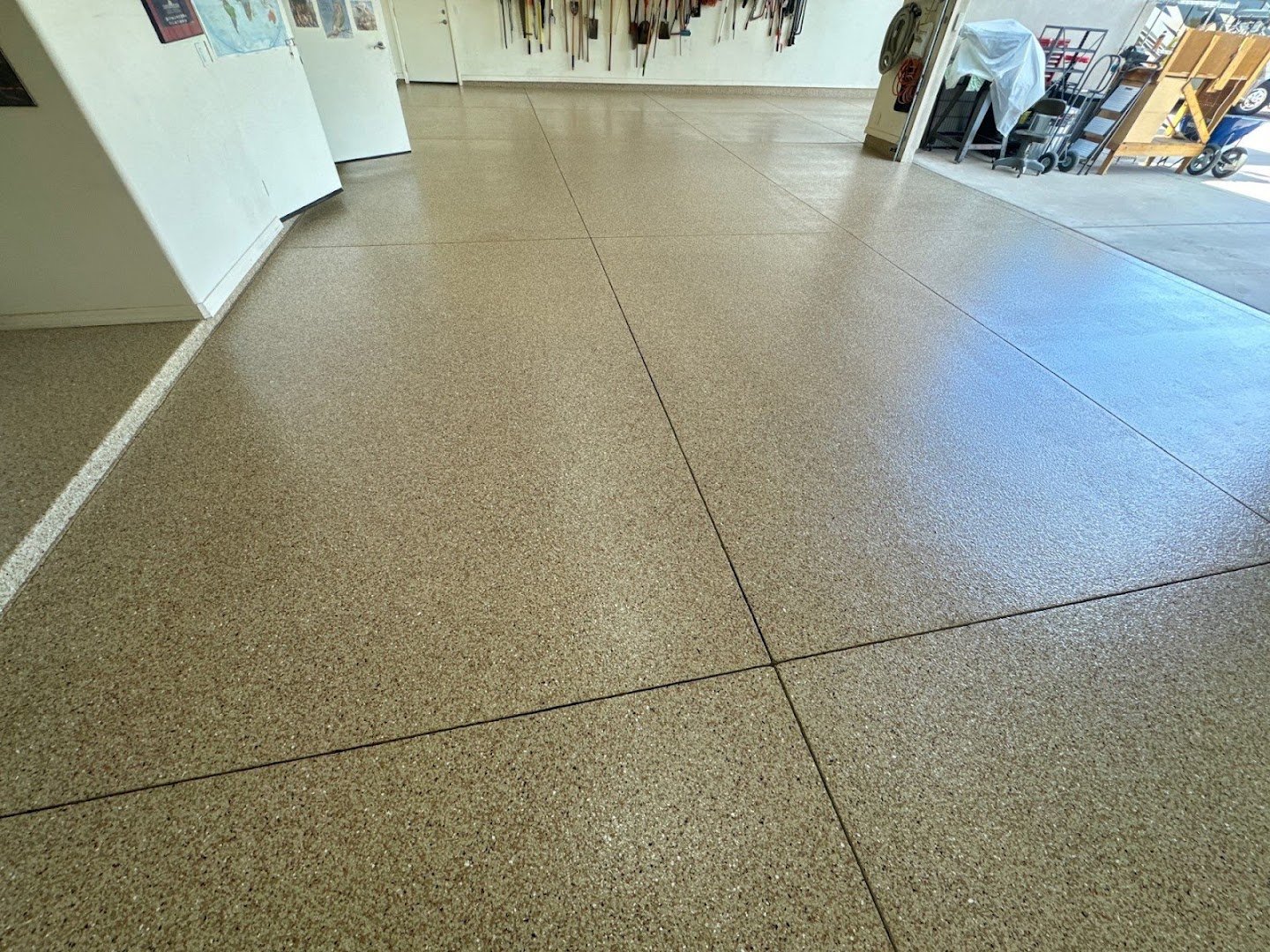
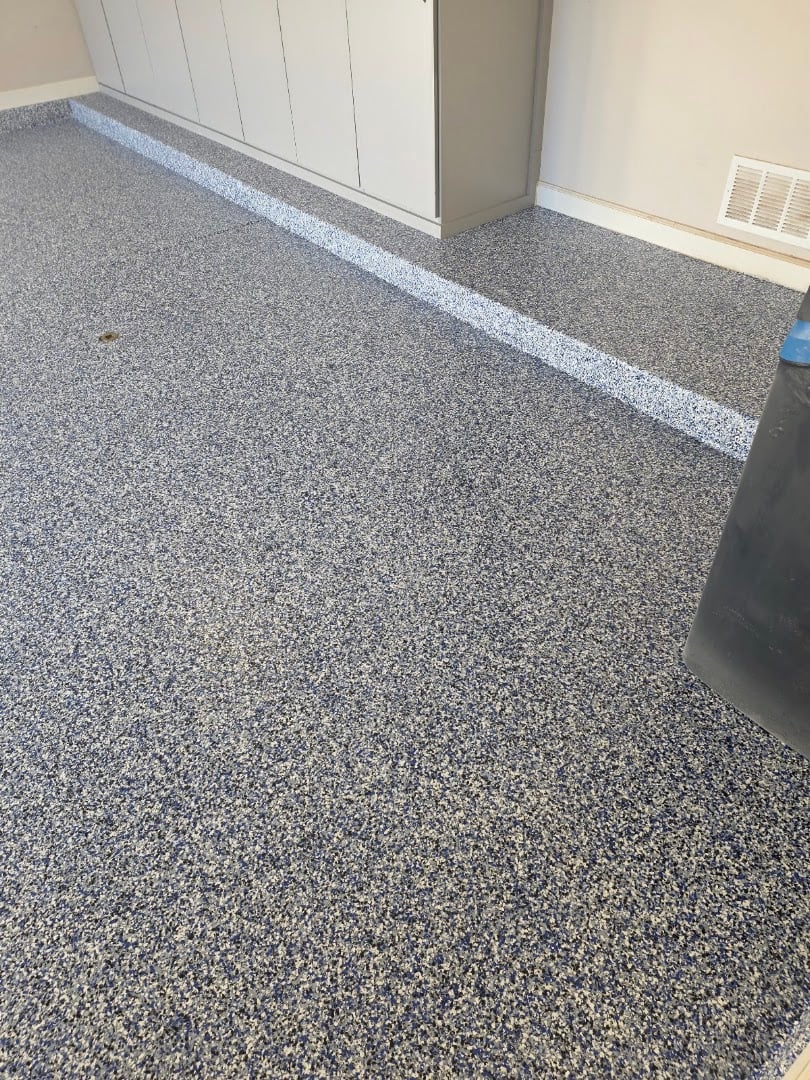
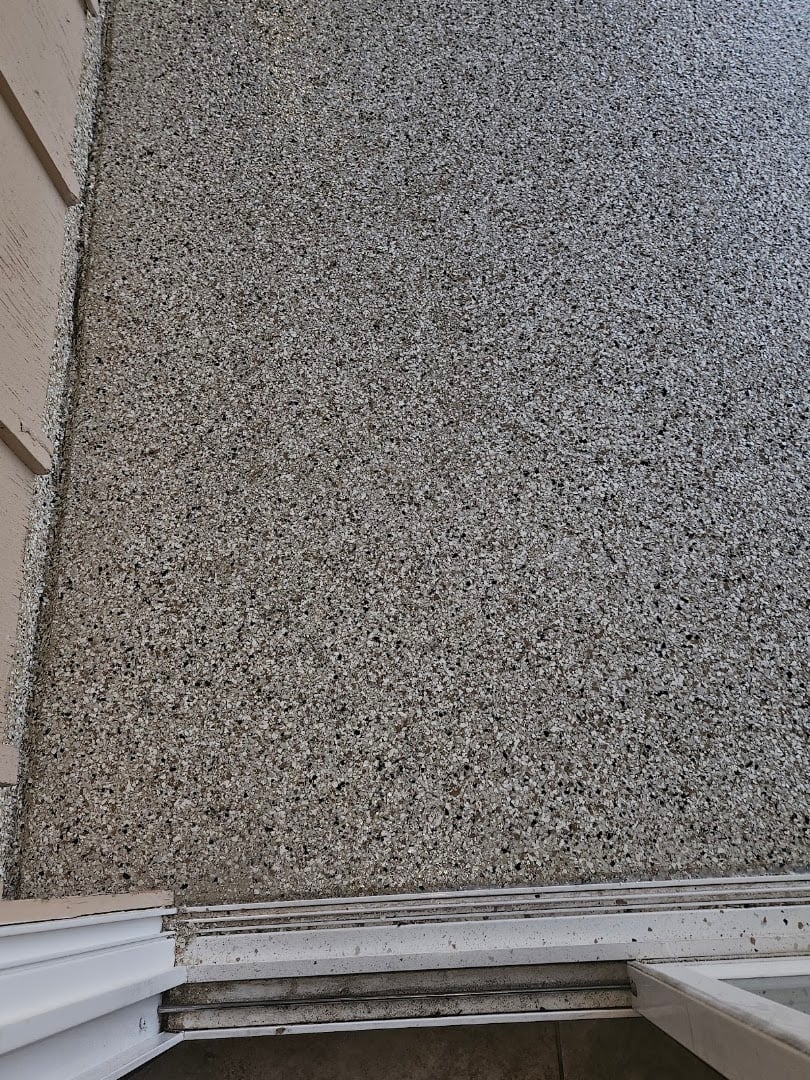
Professional installers offer a wide range of colors, textures, and finishes. You can choose vinyl chip flakes that mimic the look of granite or terrazzo, or opt for solid colors that complement your home's exterior. The final clear topcoat locks in the color so your driveway keeps its look.
Easier Everyday Cleanup
Sealed concrete can be tricky to clean — oil and fluid stains often set into the surface. Coated driveways generally clean up more easily; most everyday spills can be hosed off or wiped away.
Cost Analysis: Upfront Price vs. Long-Term Value
It's true that hiring a professional to install a coating costs more upfront than buying a bucket of sealant from a big-box hardware store.
Consider the lifespan of a sealer. You might spend a few hundred dollars every two years on materials and labor to reseal the driveway. Over a 15-year period, those costs compound. A concrete coating is a one-time install for that same window.
The Application Process: What to Expect
The heart of a coating install is the preparation. This isn't a DIY weekend project. It requires heavy machinery, chemical expertise, and precise timing.
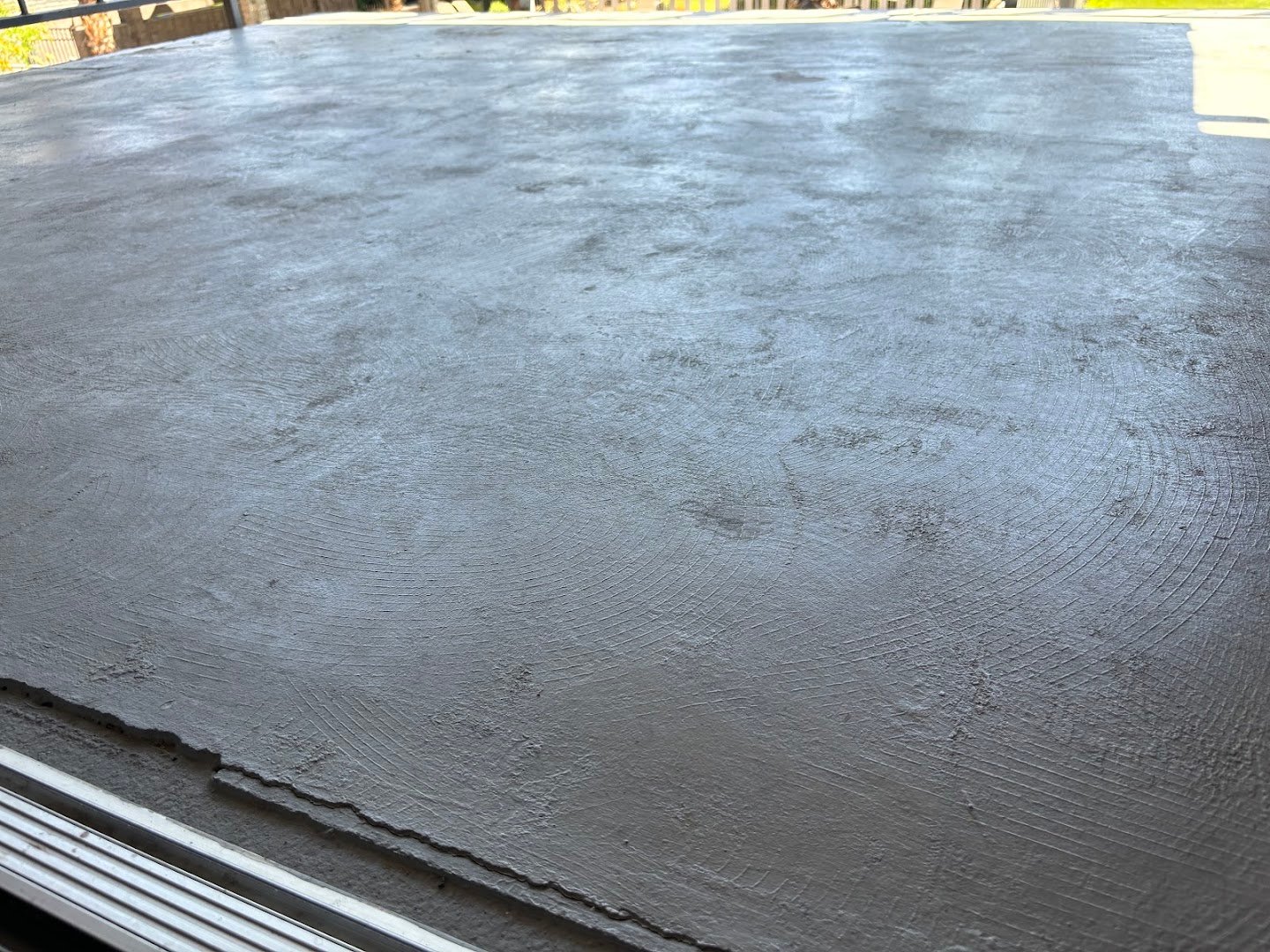
First, a professional team uses large diamond grinders to profile the concrete. This removes dirt, old sealers, and the smooth top layer of the concrete, opening up the pores. Grinding lets the coating bond deep into the substrate.
Next, existing cracks or pits are filled and repaired. Once the surface is prepped, the base coat is applied. If the homeowner chose a decorative flake system, the vinyl chips are broadcast into the wet base coat. Finally, a topcoat is rolled over the surface to seal everything in. Most residential driveways are done in a single day.
Frequently Asked Questions About Driveway Coatings
How do I clean a coated driveway?
Maintenance is straightforward. You can sweep away dirt with a standard broom. For tougher grime, spray the driveway with a garden hose. You can occasionally use a mild, pH-neutral cleaner and a soft-bristled brush for stubborn tire marks or localized stains.
Can a coating be applied to old, damaged concrete?
Yes. A reputable contractor will spend time repairing existing damage before the coating goes down. Specialized fillers are used to mend cracks and rebuild pitted areas.
Will the coating peel over time?
Well-installed polyurea and polyaspartic coatings are flexible and chemically bonded to the concrete, so they hold up well to the day-to-day and to temperature cycles. Our workmanship warranty covers the install.
Transform Your Driveway with Cardinal Concrete
Your driveway sees a lot every day. Relying on thin, temporary sealants can turn into a repeating maintenance cycle. Upgrading to a coating usually shifts you from ongoing upkeep to a one-time install with a much longer window before reapplication.
If you're ready to upgrade your home's exterior, contact Cardinal Concrete today to schedule a free in-home estimate and see what a professional coating can do for your driveway.