The Leading Concrete Floor Coating Company in Arizona
Enhance your old, stained, or cracked floors with our beautiful & long-lasting garage-ready concrete coatings — installed in as little as one day and built to last a lifetime.

Request a Free Quote
Fill out the form and a member of our team will reach out within 24 hours.
Thanks — we got your request!
Someone from our team will reach out within one business day. Keep an eye on your email and phone.
Our Most Popular Concrete Coating Applications
We install our coatings for your home, garage, patio, pool deck, driveway, or business in just ONE DAY.
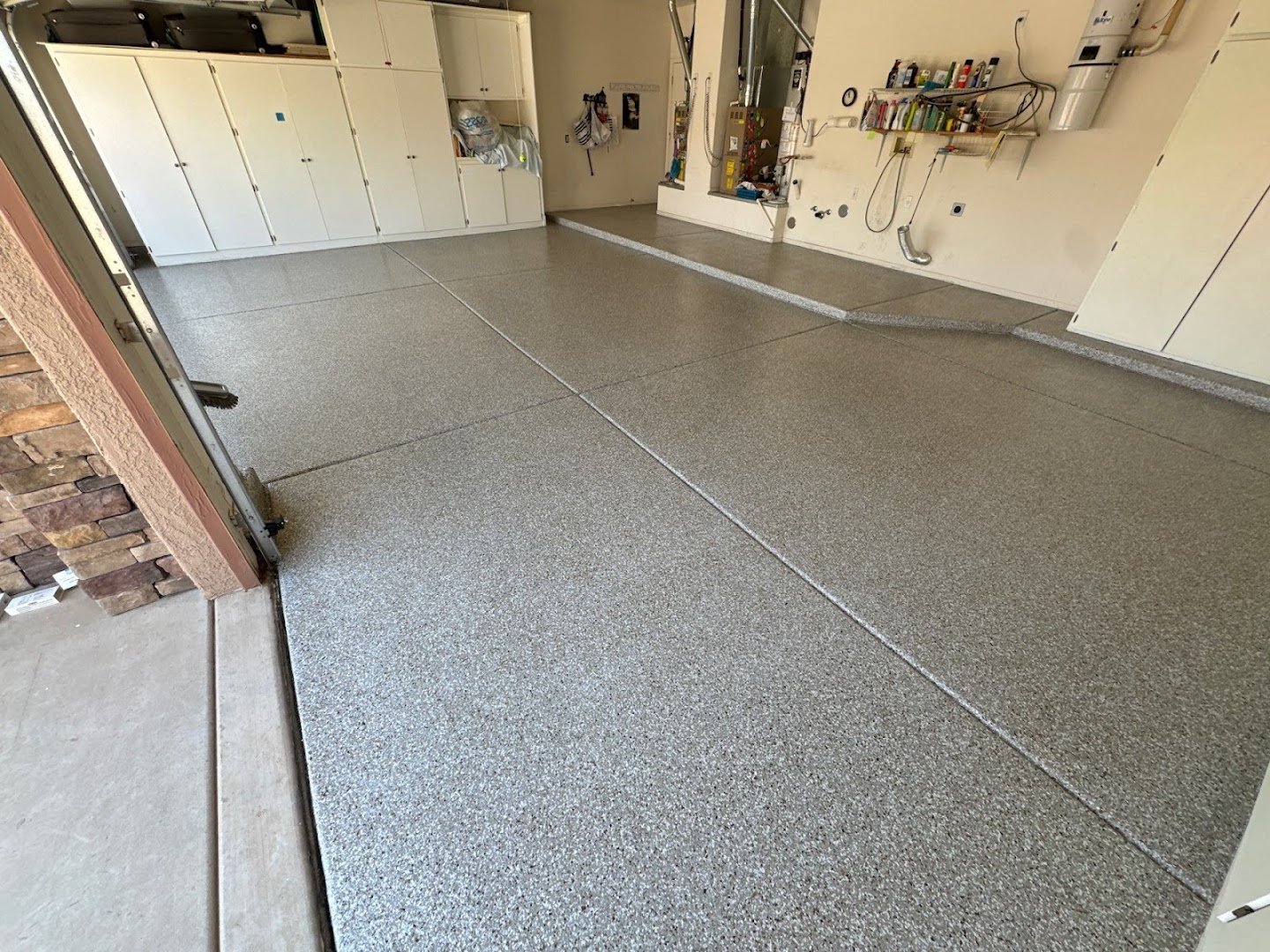
Garage Floor Coatings
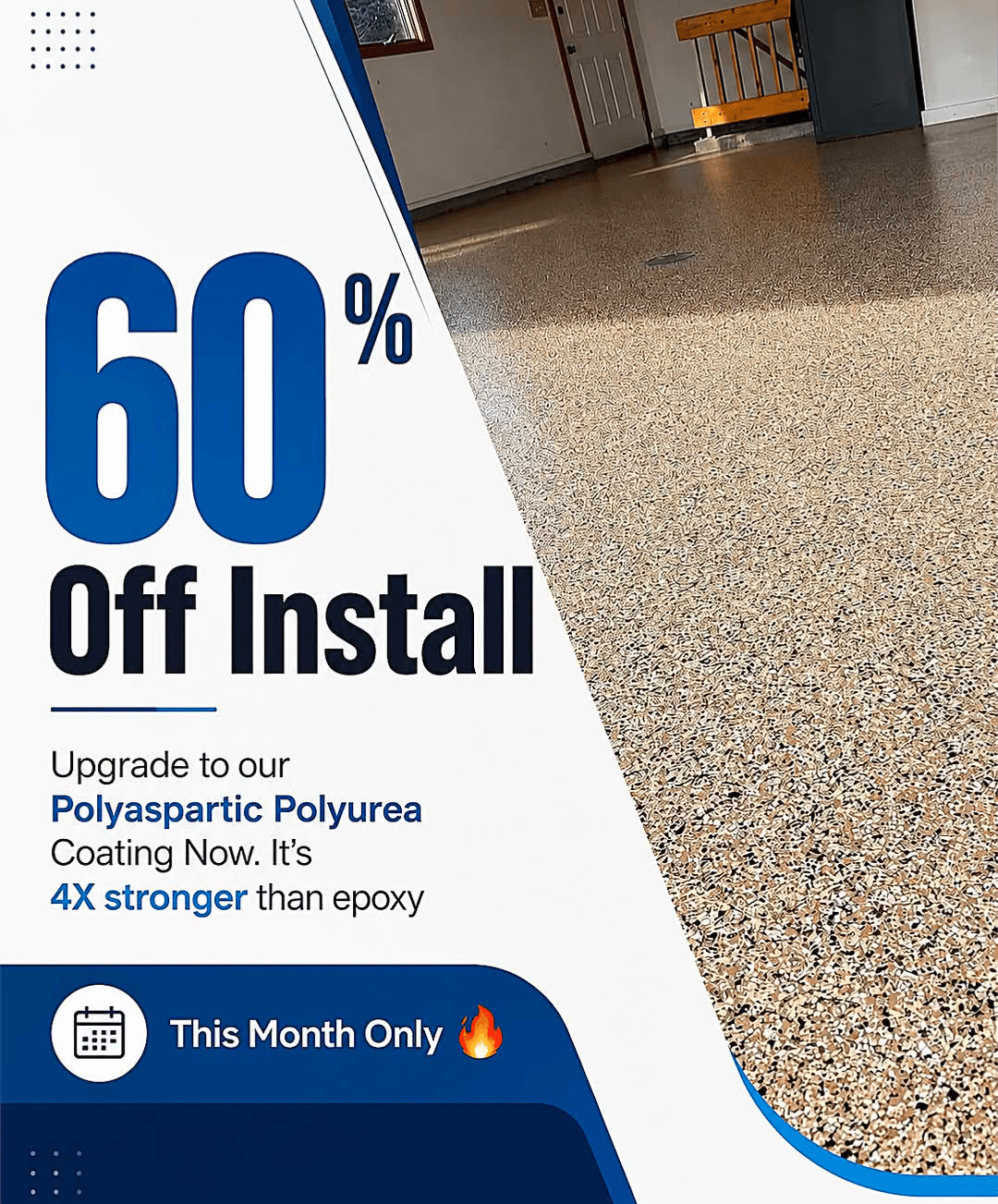
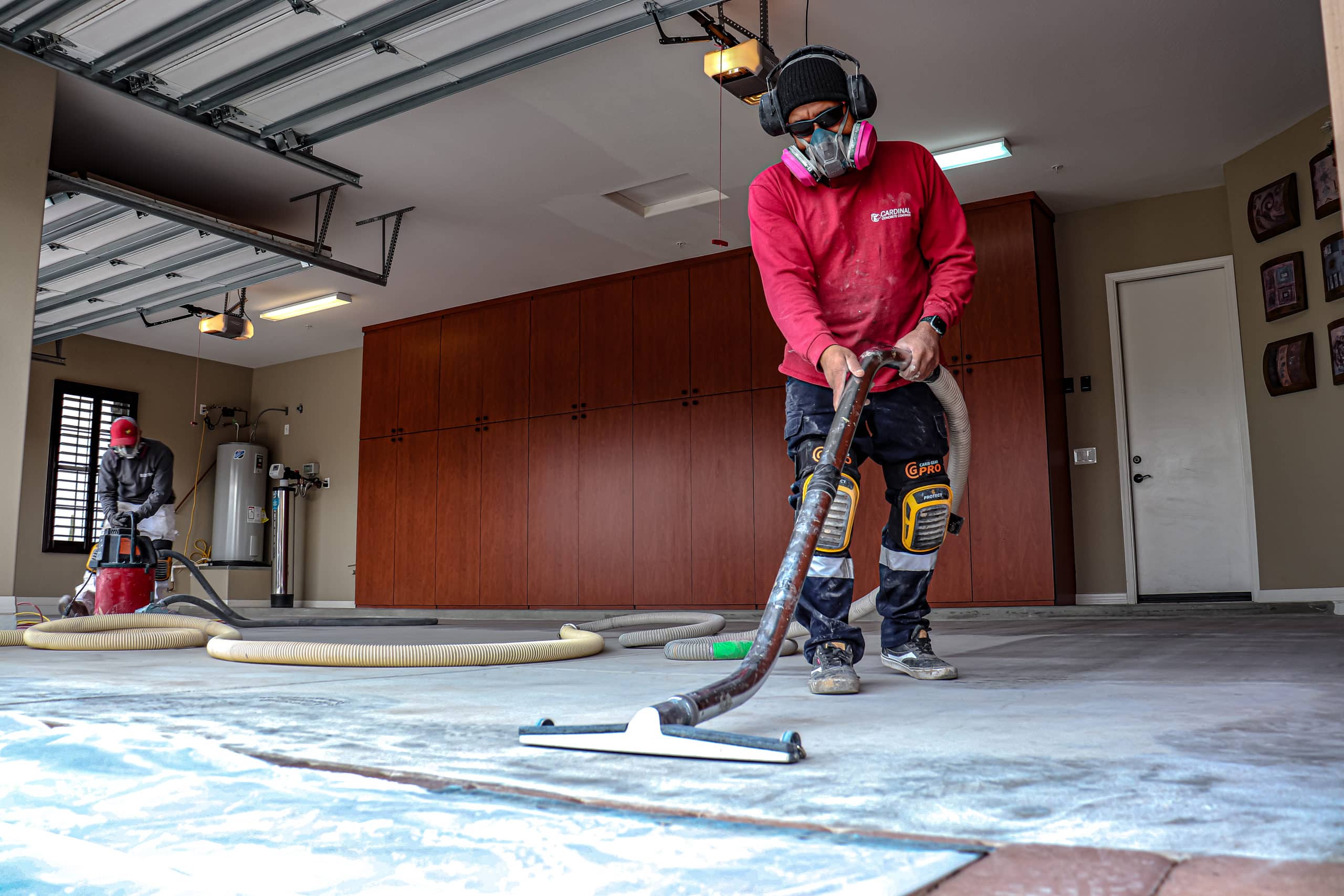
Cardinal transforms concrete garage floors with a polyaspartic + polyurea coating system installed in a single day. Custom colors and flake blends across Scottsdale and the Phoenix Valley.
Learn more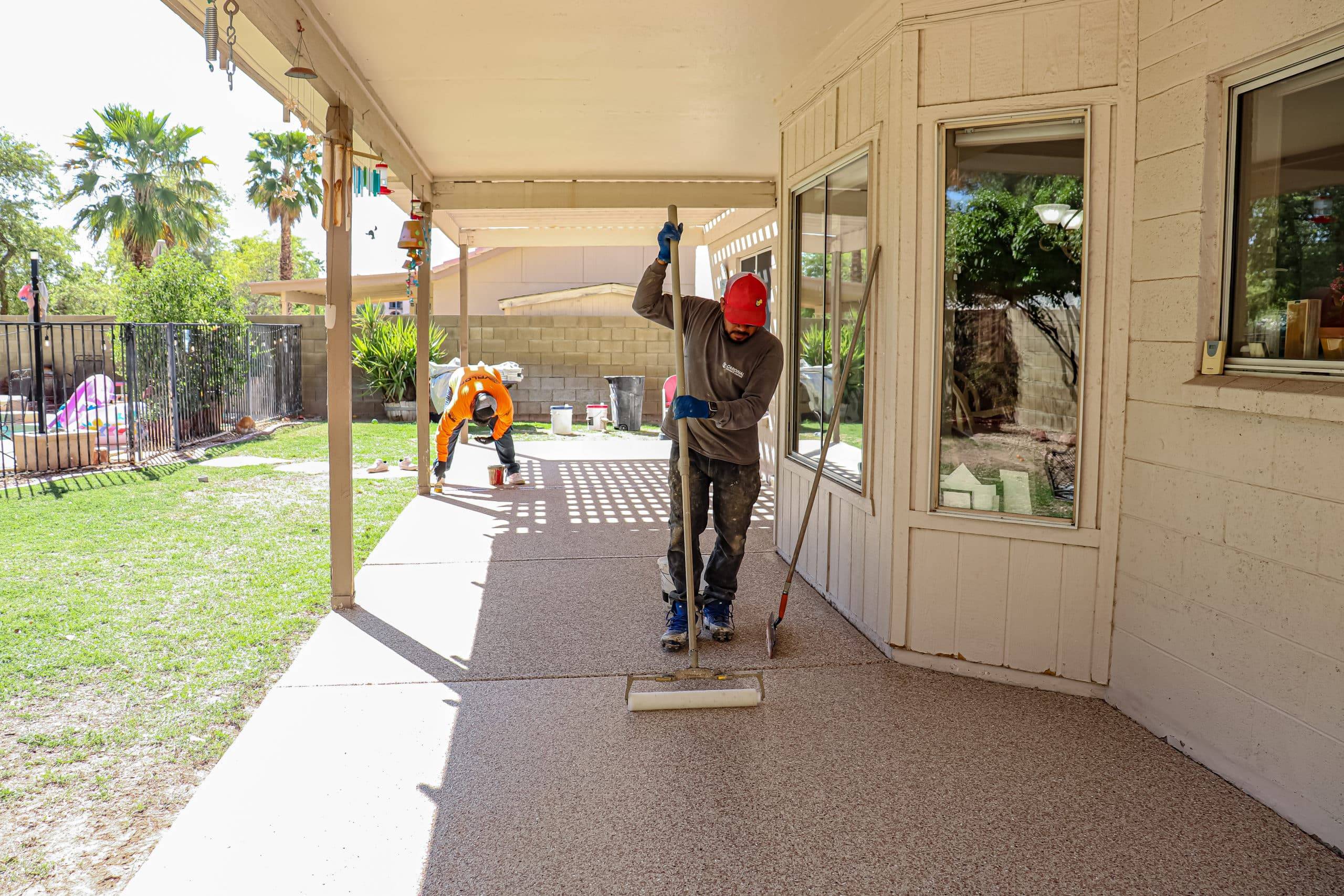
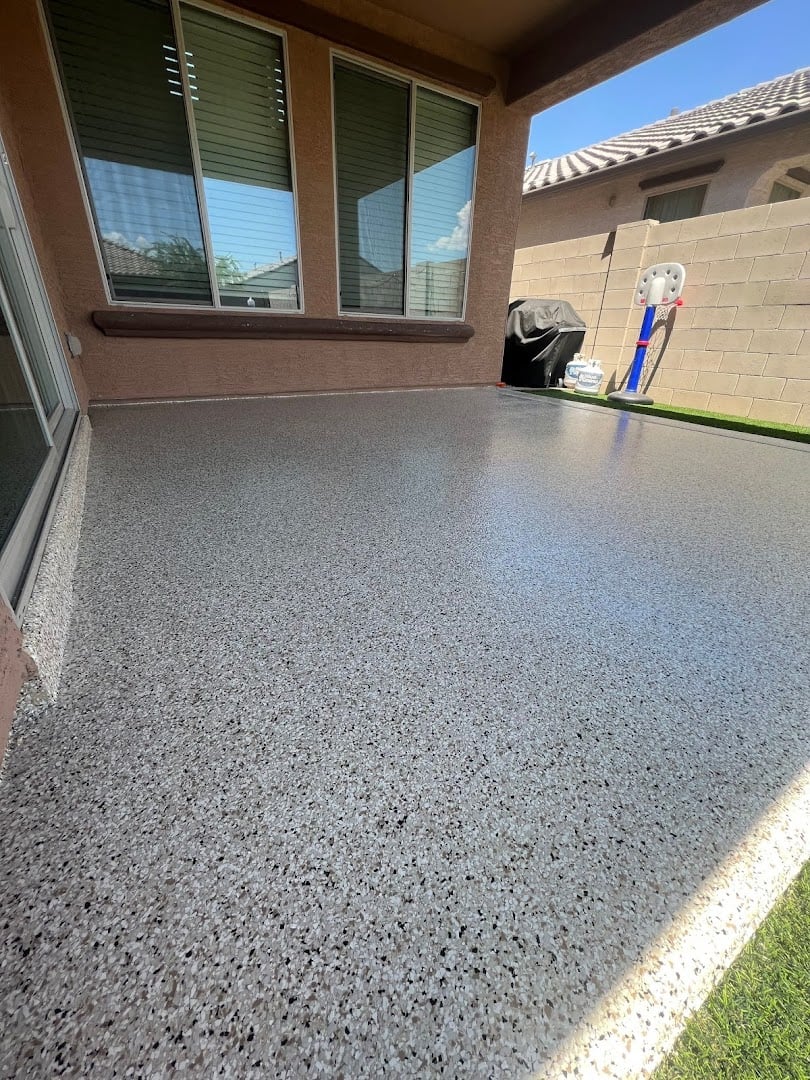
Patio Coatings
Our coatings are applied in a two-part system, the first being an activator that is mixed with the polyurea and the second being the topcoat. This creates a coating that is extremely durable and UV stable. It can be applied to concrete, wood, metal, or plastic and will last a lifetime. Plus, it cures quickly so you can use your patio immediately!
Learn more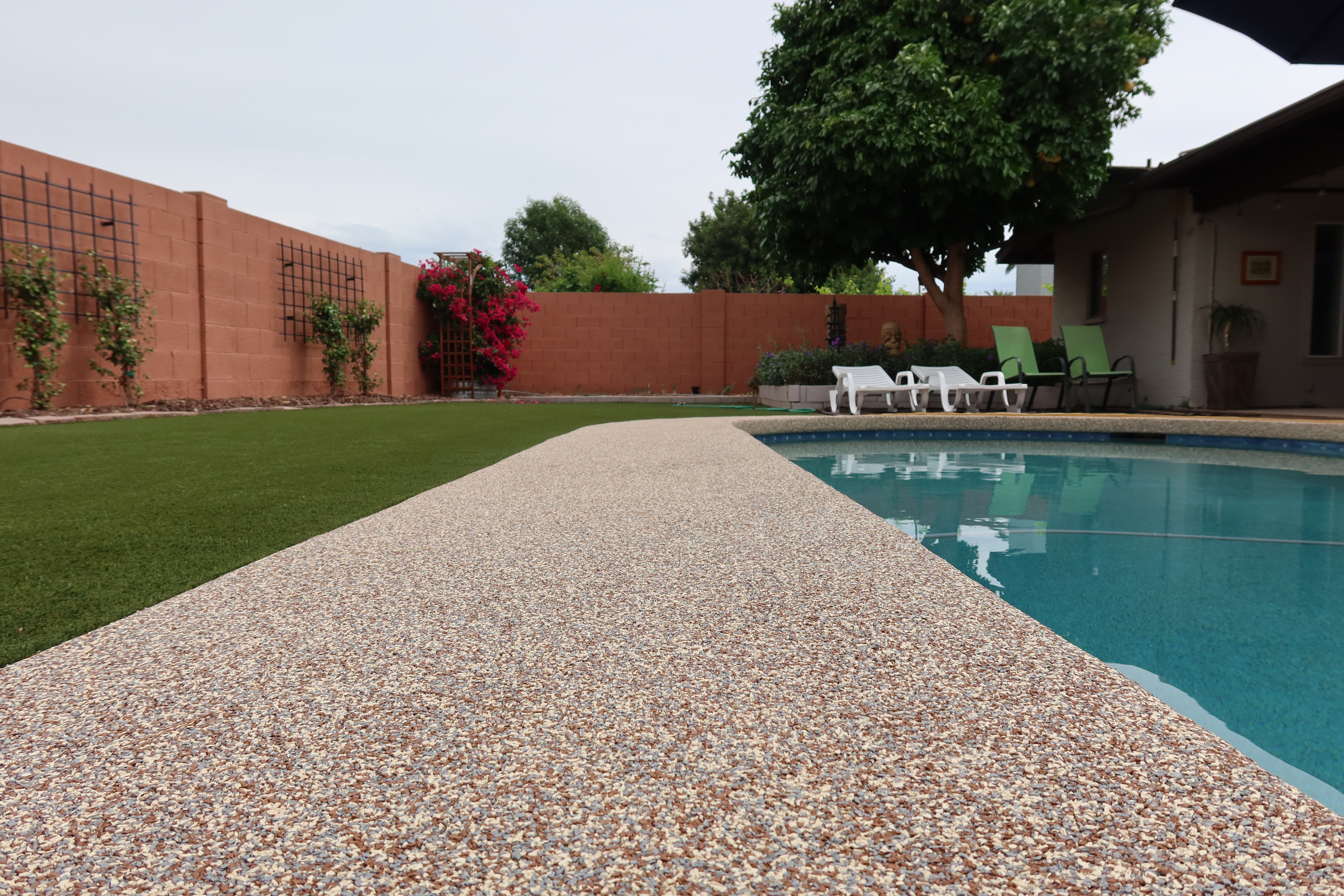
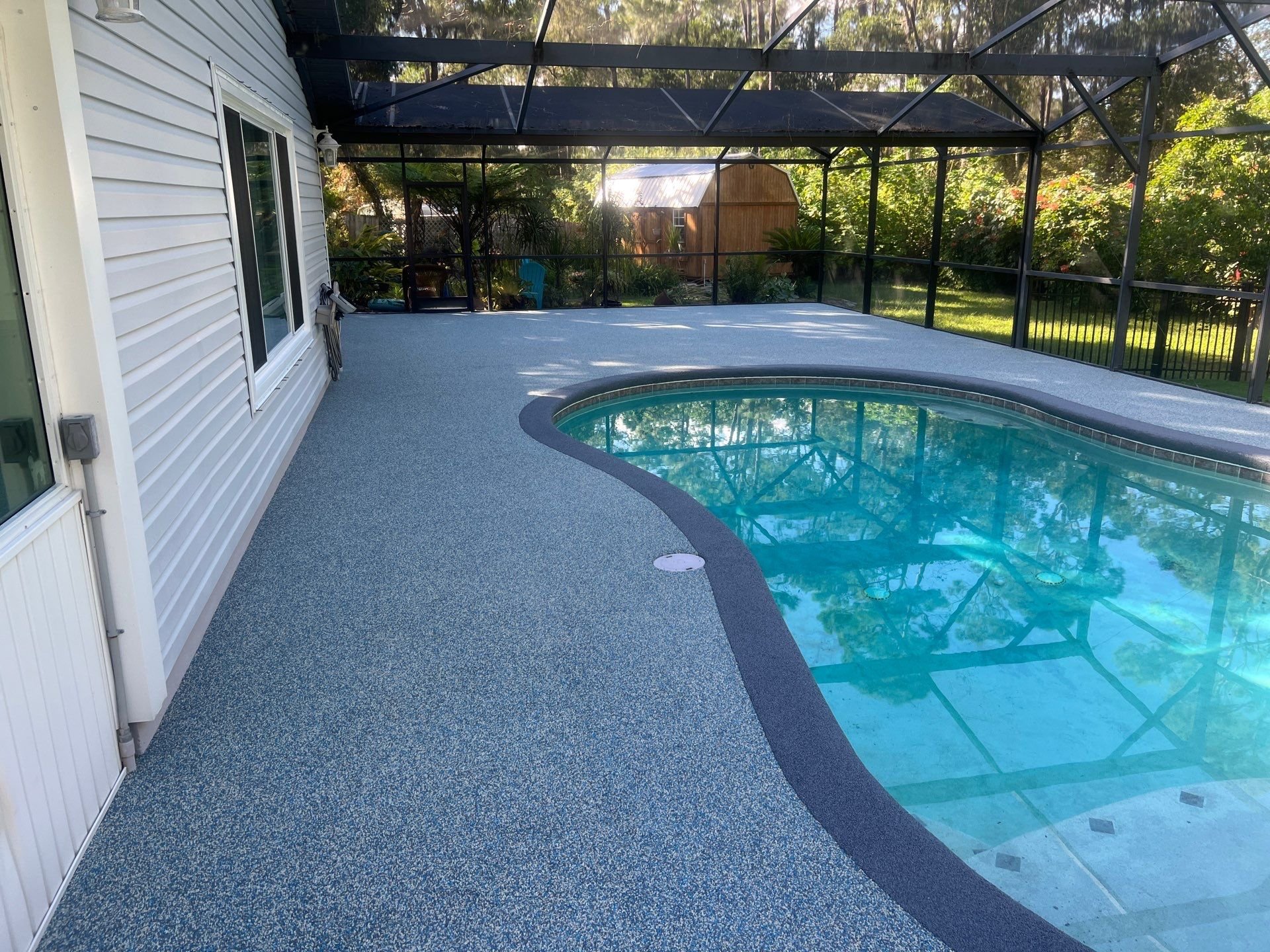
Pool Decks
Our polyurea coating system is the perfect solution for pool deck resurfacing. Our coatings are extremely durable and will protect your concrete surface from wear and tear. They are also resistant to staining, fading, and cracking, so you can enjoy your pool deck for years to come. Contact us today to learn more about our pool deck coatings!
Learn more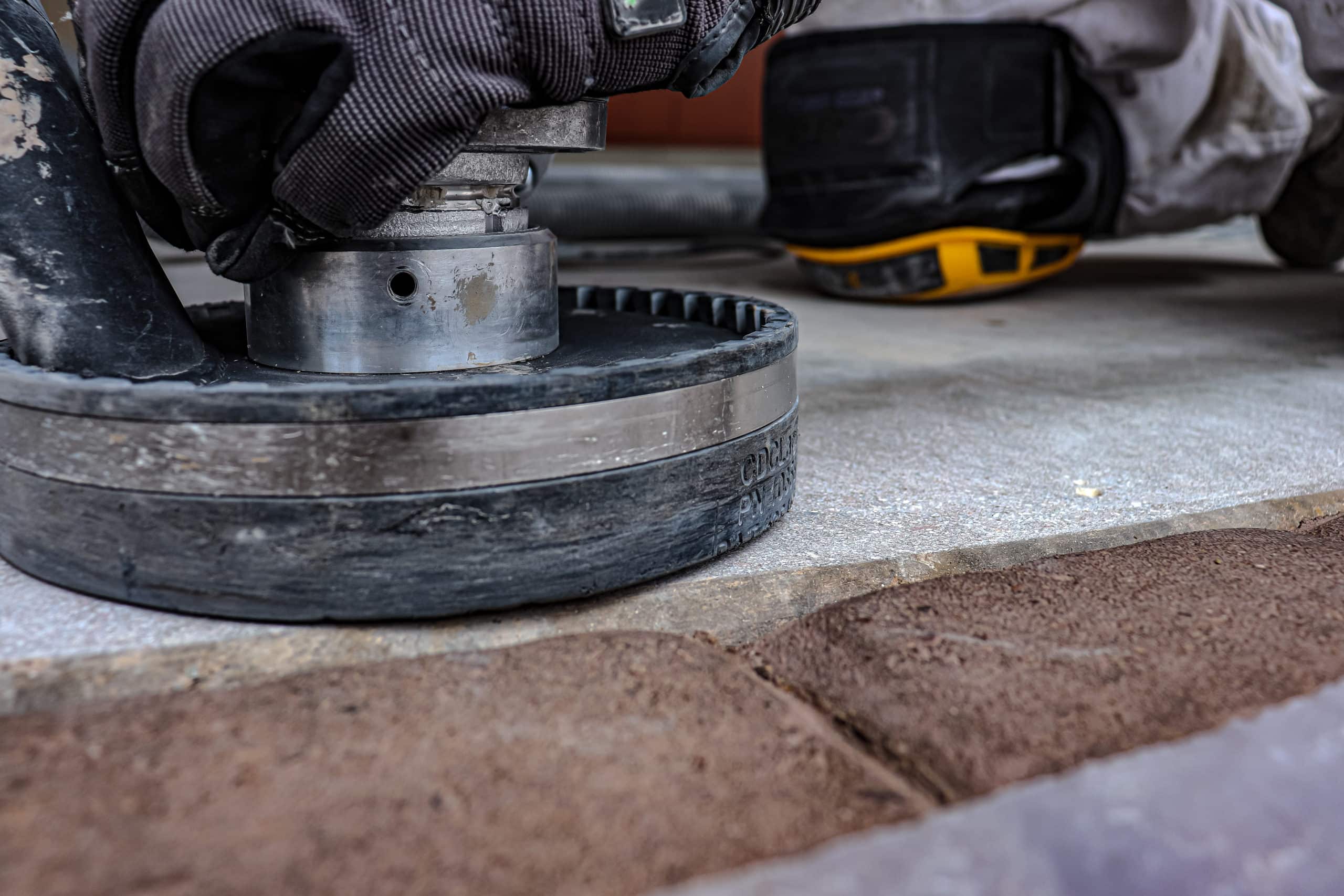
Driveways
Concrete driveway coatings can help to prevent water and weather damage, as well as general wear and tear. A coating will also give your driveway a uniform look, which can be important if you are trying to sell your home. We also offer a warranty on all of our coatings, so you can be sure they will last. Contact us today to learn more!
Learn more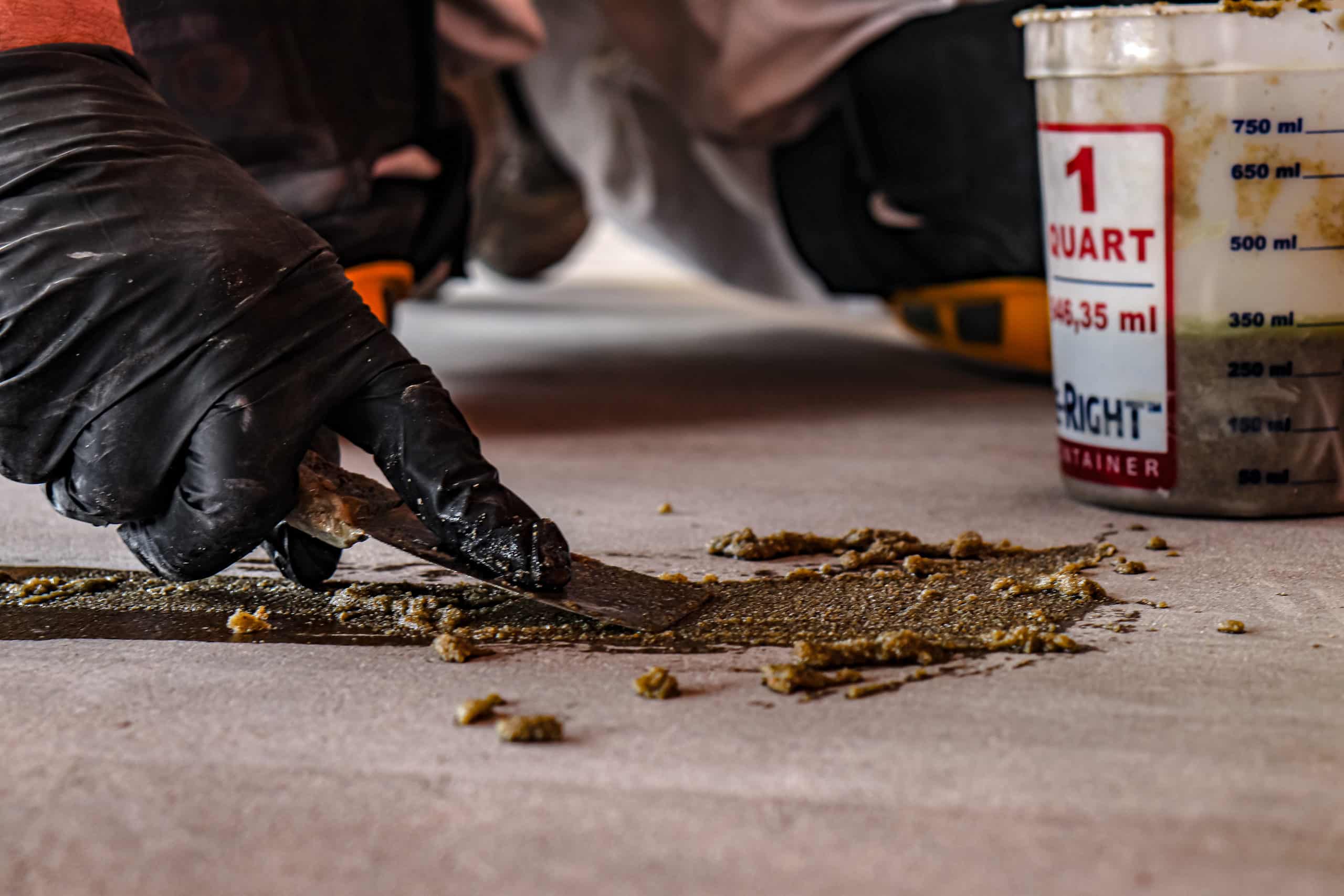
Commercial
Cardinal Concrete Coatings provide quality, safe, and efficient coating services to businesses across Arizona. Our team of experienced professionals will work with you every step of the way to ensure your project is completed on time and within budget. We offer a wide range of coating services. Contact us today for a free consultation!
Learn more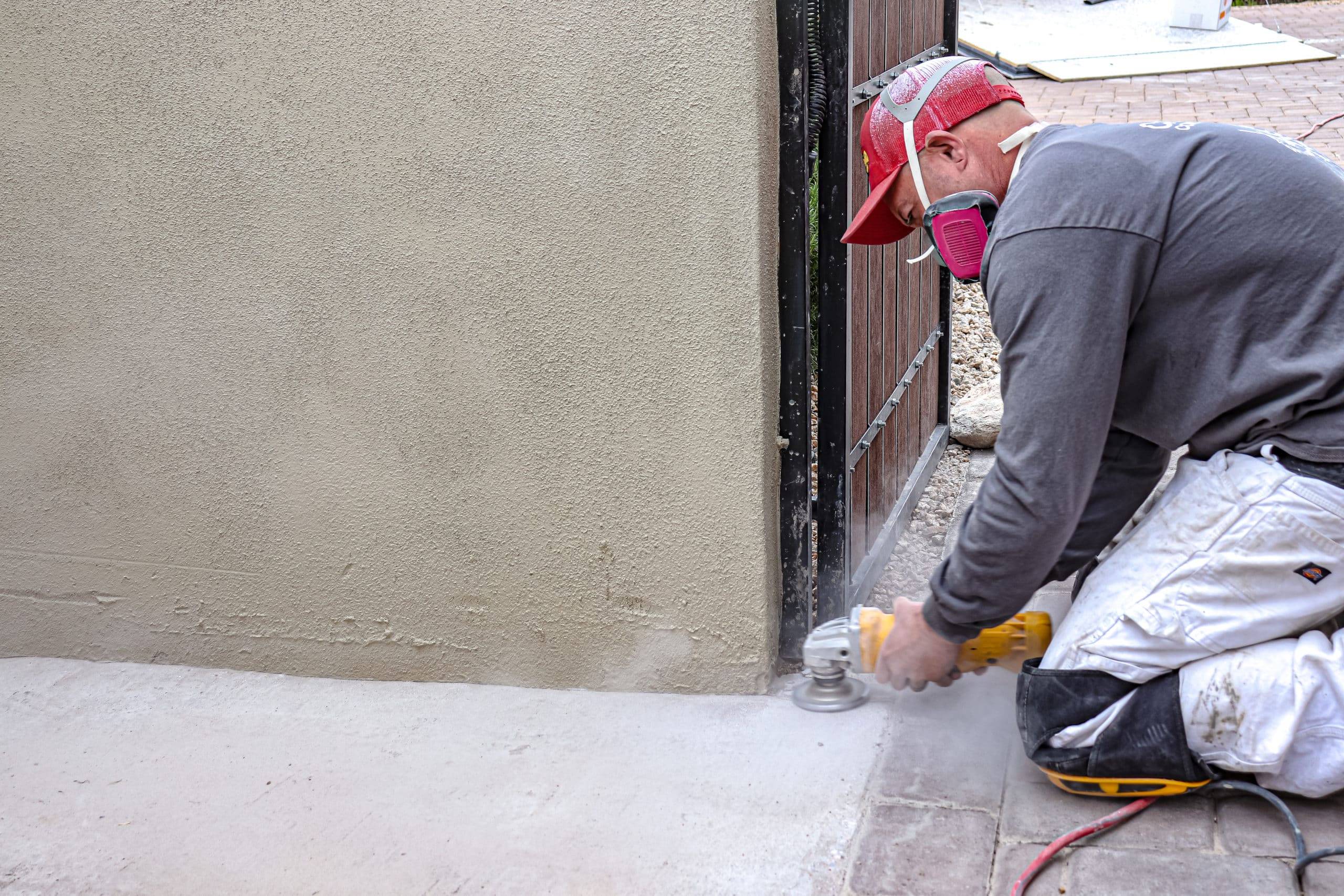
Concrete Coatings
Concrete coatings are a great way to protect your concrete floor from wear and tear. Our coatings are made to withstand heavy traffic and will keep your floor looking new for years. We offer a variety of coatings that can be tailored to your needs, and we have a team of experienced professionals who will install them quickly and efficiently. Contact us today to learn more about our concrete coatings!
Learn more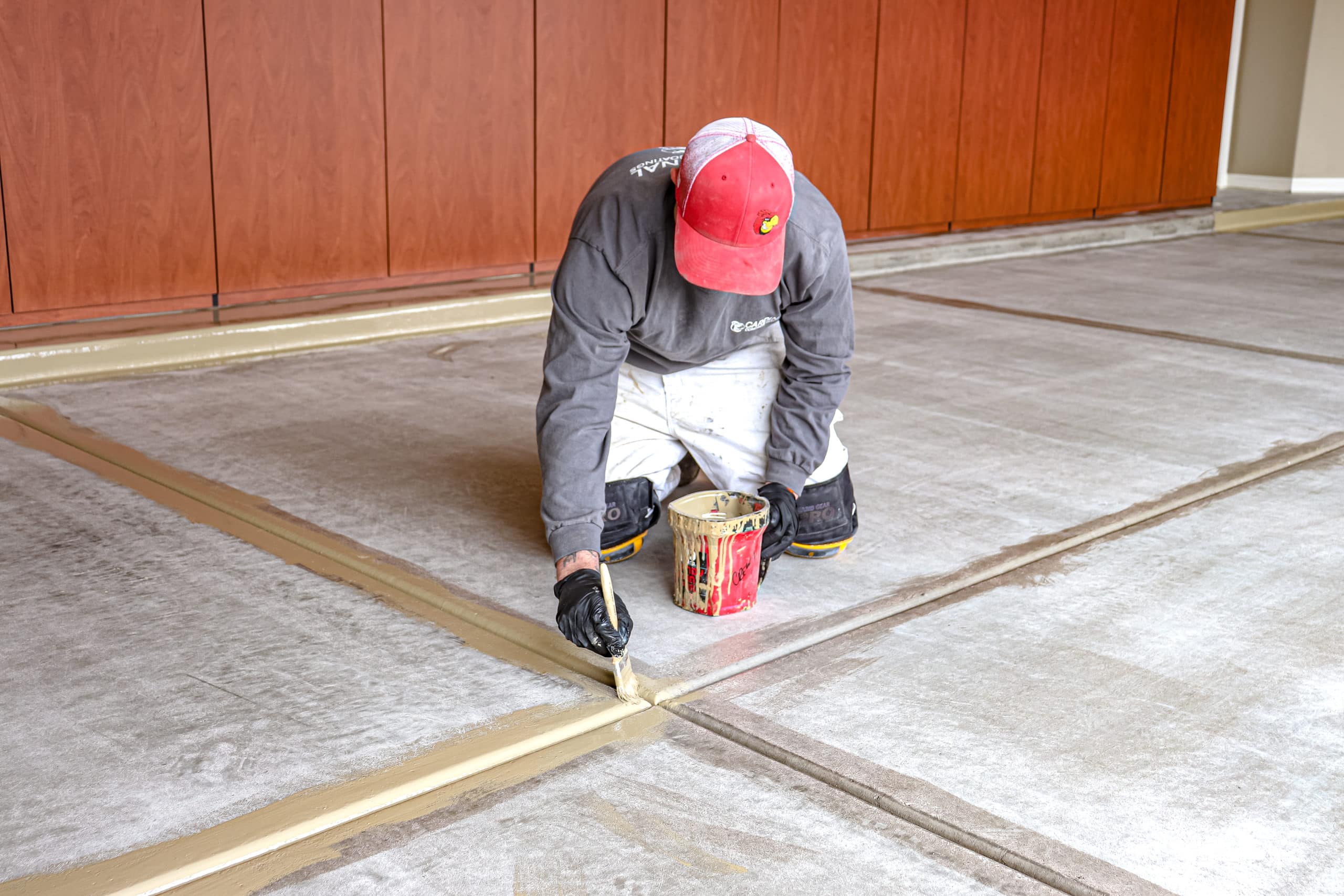
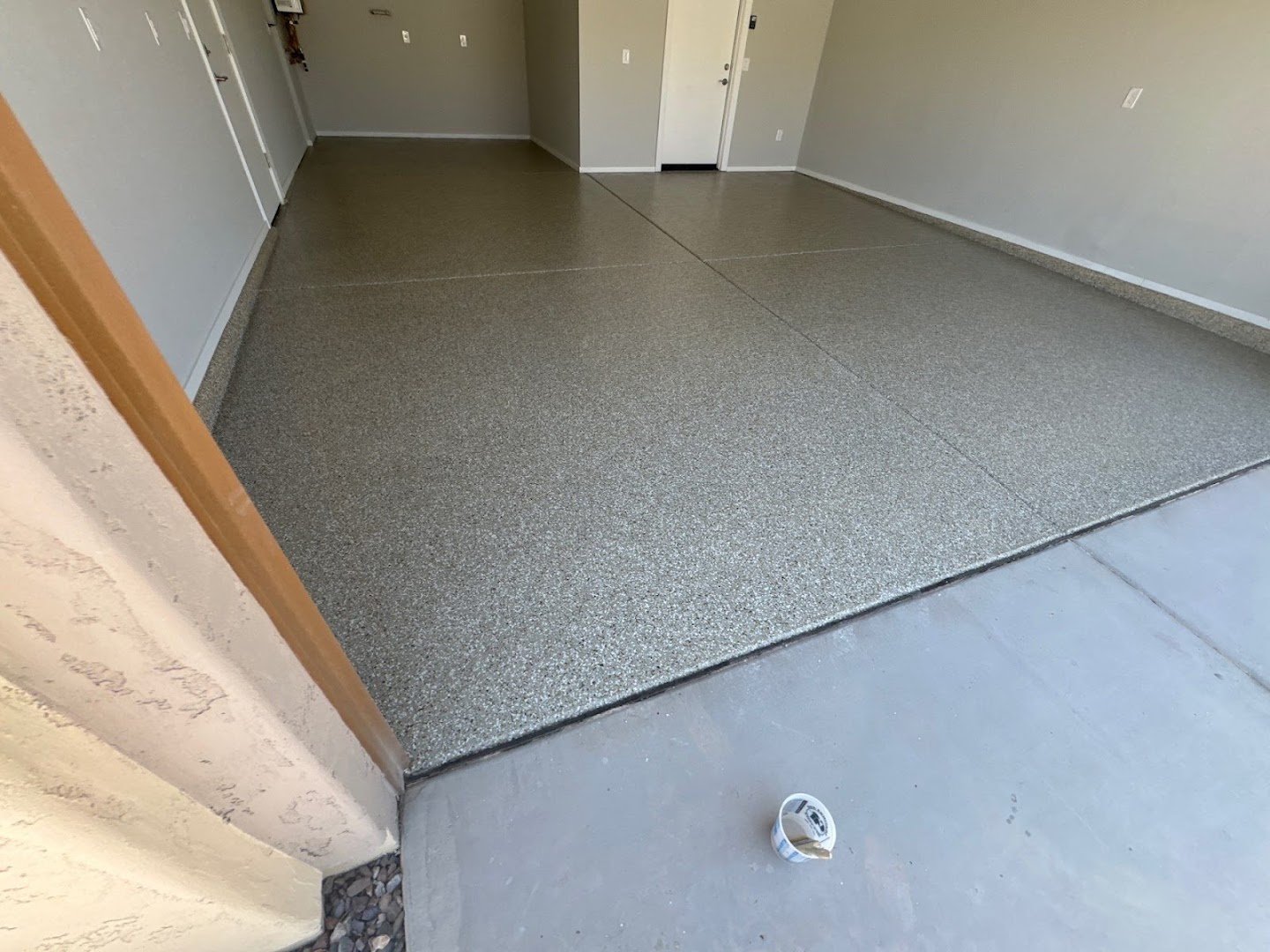
Garage Flooring
Cardinal's polyaspartic + polyurea coating system for residential and commercial garage floors. One-day install, custom colors and flake blends, workmanship warranty.
Learn more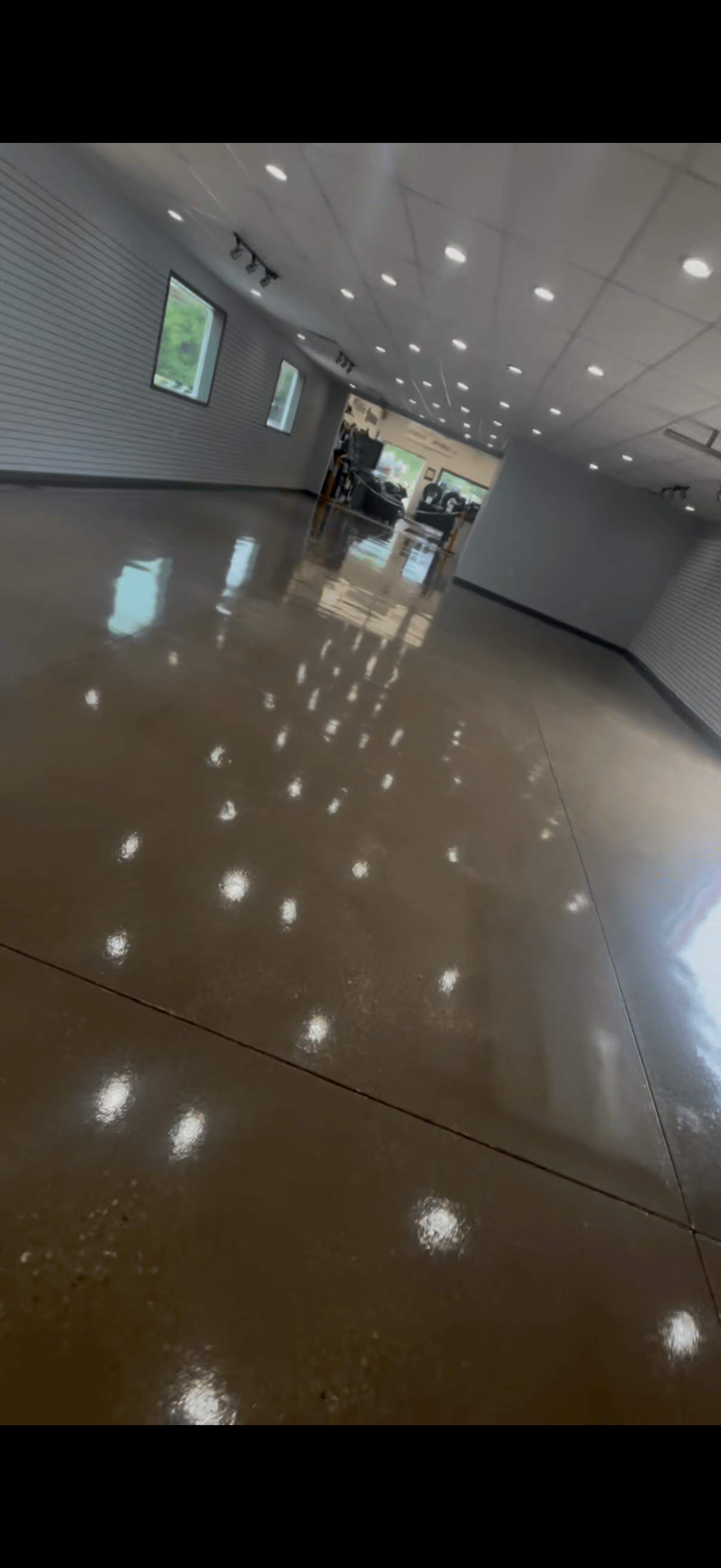
Polished Concrete
Concrete polishing is one of the most popular flooring options available. Unlike traditional tile or carpet, polished concrete is so durable and easy to clean, it's perfect for families or businesses with children or pets. If you're looking for an affordable and unique flooring option, then polished concrete may be perfect for you! Contact us today to learn more about this amazing process.
Learn moreWhy 1,000s of Arizonans Choose & Trust Cardinal
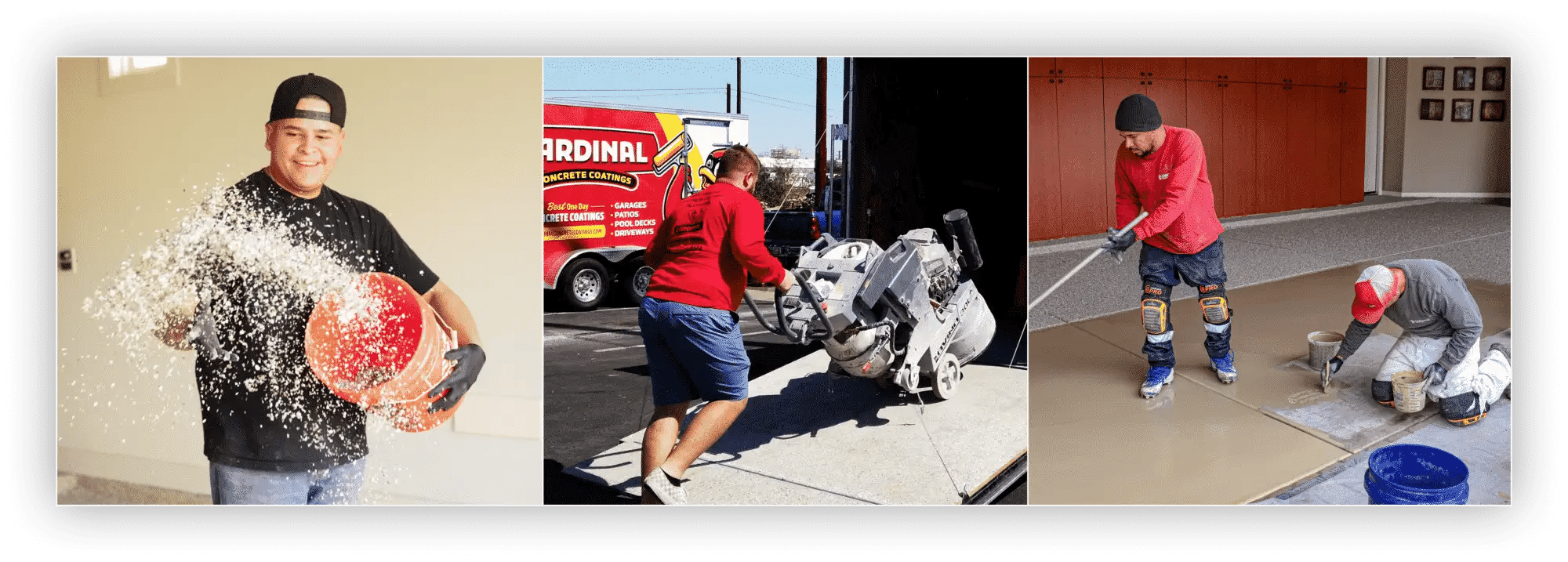
Our 6-Step Process for 100% Customer Satisfaction
From first call to final walkthrough, we install your garage, patio, pool deck, or driveway with efficiency and precision in just ONE DAY.

Profile, repair, & vacuum the concrete surface to ensure the strongest adhesion possible.
We apply 100% solids to patch up any cracks in the concrete flooring.
We apply a tinted polyaspartic base coat.

A polymer flake is generously hand-broadcast providing even color & texture to the floor.

All excess flake is scraped off the floor, leveling the floor to prepare it for final sealing.
Finally, we apply a UV stable polyaspartic topcoat. Your new floor will be ready for light foot traffic after 6-8 hours.
Testimonials
Every day we refine our process to ensure our customers are 100% satisfied.
Highly Recommended!
Our 70 year old concrete patio was definitely showing its age. It was a mosaic of cracks and patches poorly covered by a coat of paint that was chipping and peeling. We contacted Cardinal Concrete Coatings thinking that...
— James G.
Highly Recommended!
Mike And Tonya from Cardinal Concrete Coatings are great people. Their guys did an amazing job in 1 day bringing back the beauty and safety to our pool area. Check out the Reva Flex product . It has a 10 yr warranty, it...
— Ryan D.
Highly Recommended!
Like many people, I too look at "reviews" of companies when choosing contractors for various projects around the house. After looking at several "reviews" for Cardinal Concrete Coatings (so many 5 stars), I chose not to...
— R H.
We serve the Phoenix valley and surrounding areas including:
-
 Anthem
-
Apache Junction
-
Arizona City
-
Avondale
-
Bapchule
-
Buckeye
-
Casa Grande
-
Cashion
-
Cave Creek
-
Chandler
-
Chandler Heights
-
Coolidge
-
Desert Ridge
-
El Mirage
-
Eloy
-
Fountain Hills
-
Gilbert
-
Glendale
-
Gold Canyon
-
Goodyear
-
Higley
-
Laveen
-
Litchfield Park
-
Luke Air Force Base
-
Maricopa
-
Mesa
-
Munds Park
-
New River
-
Paradise Valley
-
Peoria
-
Phoenix
-
Prescott
-
Queen Creek
-
Rio Verde
-
Sacaton
-
San Tan Valley
-
Scottsdale
-
Sedona
-
Stanfield
-
Sun City
-
Sun City West
-
Surprise
-
Tempe
-
Tolleson
-
Waddell
-
Wickenburg
-
Wittmann
-
Youngtown

Backed By Our Lifetime Limited Warranty
If there is any chipping, peeling, or blistering of your coating within your lifetime limited warranty, we will come out and fix it for free. We don't cut corners — we set the standard in the concrete coating industry.
See Our Warranty Details